
Same-day dispatch
Order before 2pm ET — ships from Toronto
COA in every box
Batch-matched third-party certificate
Cold-pack shipped
Temperature-controlled packaging
Purity guarantee
Below spec? Replaced or refunded
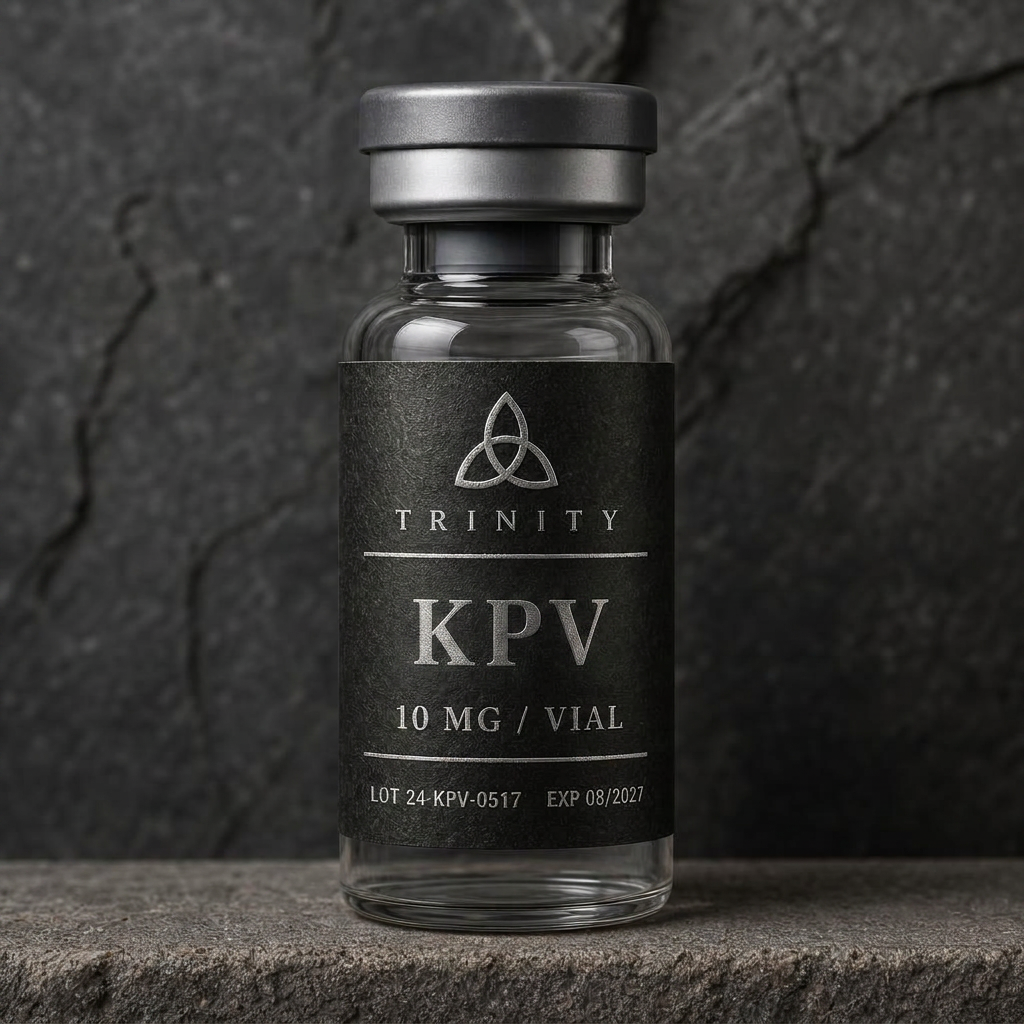
KPV
The α-MSH Anti-Inflammatory Tripeptide — Gut, Skin & Immune Research
KPV is the C-terminal tripeptide fragment (lysine-proline-valine) of α-melanocyte-stimulating hormone. It retains α-MSH's potent anti-inflammatory activity while lacking the melanocortin receptor binding responsible for pigmentation effects. Published research shows KPV acts intracellularly to inhibit NF-κB and MAPK inflammatory signalling, reducing pro-inflammatory cytokines including TNF-α, IL-1β and IL-6. It is absorbed by intestinal epithelial cells via the PepT1 transporter, which has driven substantial interest in colitis, IBD, wound-healing and dermatological research models.
- The minimal anti-inflammatory fragment of α-MSH — without the pigmentation-driving receptor activity
- Inhibits NF-κB and MAPK signalling, lowering TNF-α, IL-1β and IL-6 in published models
- Absorbed into intestinal epithelium via PepT1 — the basis of colitis and IBD research interest
10mg per vial · Lyophilized Powder · Ships same business day from Toronto
Questions about this batch? Text an agent at (905) 993-4764
99.4%
HPLC purity
Batch TR-KPV-2026-001, ISO 17025 verified
3
Amino acids
Lys-Pro-Val — the C-terminal tripeptide of α-MSH
<0.5
EU/mg endotoxin
Low-endotoxin grade for inflammatory-model work
Research benefits
NF-κB Inhibition
Blocks NF-κB nuclear translocation and MAPK signalling, lowering TNF-α, IL-1β and IL-6 in cell and animal models
Gut & Colitis Models
Nano-delivered KPV reduced colitis severity and accelerated mucosal healing in DSS-induced murine models (Biomaterials, 2013)
Skin & Antimicrobial
Studied for wound closure, acne and dermatitis models, plus direct antimicrobial and antifungal activity
Study findings
Summaries of published research on this compound. Findings are reported for scientific context only and do not constitute claims about this product.
KPV inhibits NF-κB activation
KPV entered cells and blocked NF-κB nuclear translocation and downstream pro-inflammatory cytokine transcription independently of melanocortin receptors.
Journal of Immunology · 2003
Nanoparticle-delivered KPV in murine colitis
Hydrogel-encapsulated KPV at very low doses reduced DSS-colitis severity, preserved mucosal architecture and accelerated healing in mice.
Biomaterials · 2013
PepT1-mediated intestinal uptake
KPV is transported into colonic epithelial cells by the PepT1 di/tripeptide transporter, enabling anti-inflammatory activity at nanomolar concentrations.
Gastroenterology · 2006
Antimicrobial activity of KPV
KPV demonstrated direct antimicrobial activity against Staphylococcus aureus and Candida albicans in vitro, distinct from its cytokine effects.
Peptides · 2005
α-MSH fragments in skin inflammation
C-terminal α-MSH tripeptides reduced inflammatory infiltrate and improved wound closure in dermatitis and cutaneous wound models.
Annals of the New York Academy of Sciences · 2010
What researchers report
Aggregated, anonymized observations from laboratories ordering this compound. Anecdotal and non-clinical.
Most frequently ordered for gut-barrier and dermatological inflammation models rather than systemic arms.
Researchers commonly note that effective concentrations in published models are markedly lower than for larger repair peptides.
Often paired with BPC-157 in gut-model designs, where the two target distinct arms of mucosal repair.
Topical and oral-delivery formulations are the fastest-growing use case reported by our lab customers.
Technical specifications
| Form | Lyophilized Powder |
| Sequence | Lys-Pro-Val |
| Molecular Weight | 410.51 g/mol |
| Purity | ≥99% |
| Amount | 10mg per vial |
| Storage | Store at -20°C, protect from light |
| Shelf Life | 36 months (stored at -20°C) |
| COA | COA Available → View Lab Results |
Storage & reconstitution
Store lyophilized vial at -20°C, protected from light.
Reconstitute with bacteriostatic water; the tripeptide dissolves rapidly with gentle swirling.
Refrigerate at 2–8°C and use within 30 days of reconstitution.
Research background
KPV is the minimal active anti-inflammatory sequence of α-MSH, first characterised in the 1990s.
Unlike full-length α-MSH, KPV does not activate melanocortin receptors responsible for pigmentation, isolating the anti-inflammatory effect.
It is transported into intestinal epithelial cells by PepT1, allowing very low doses to exert local anti-inflammatory effects in gut research models.
Frequently stacked with
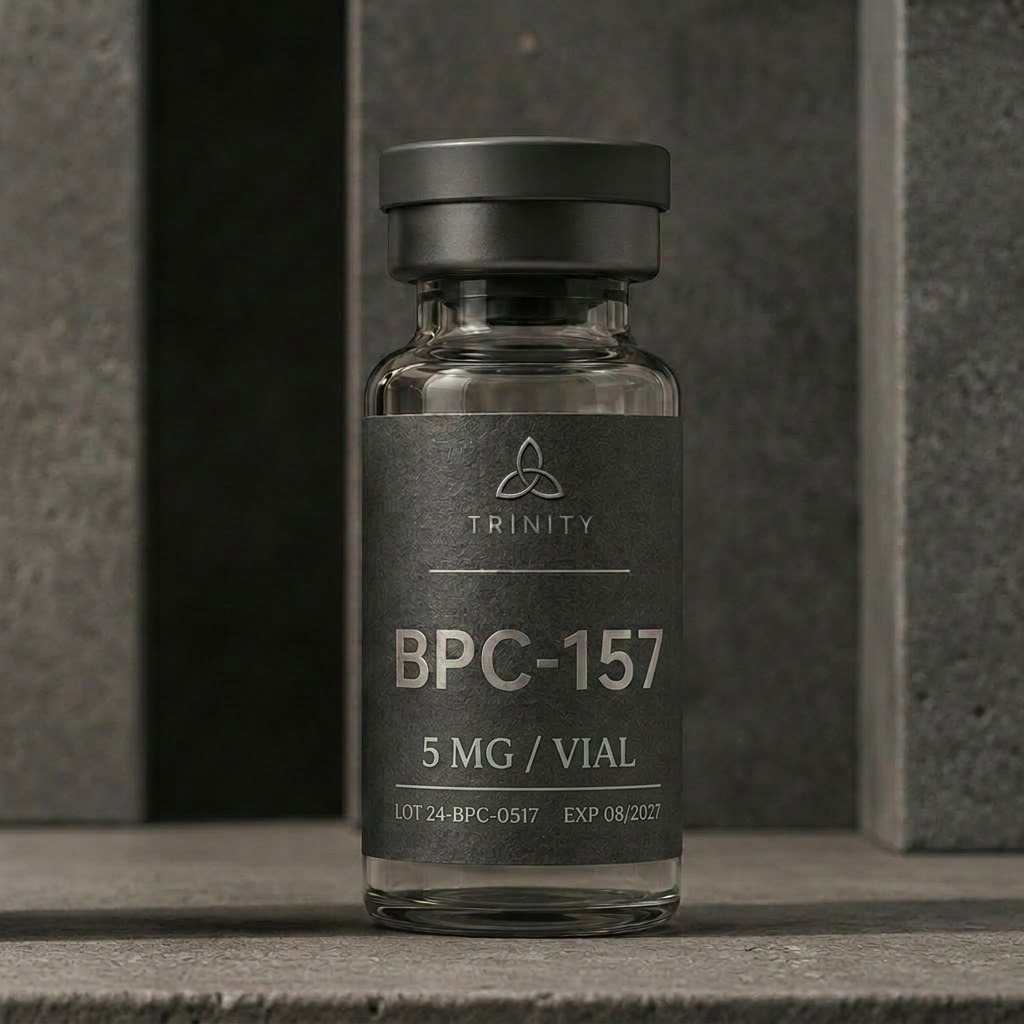
BPC-157
15-amino acid gastric pentadecapeptide for tissue repair research.
COA AvailableAvailable in 5mg · 10mg
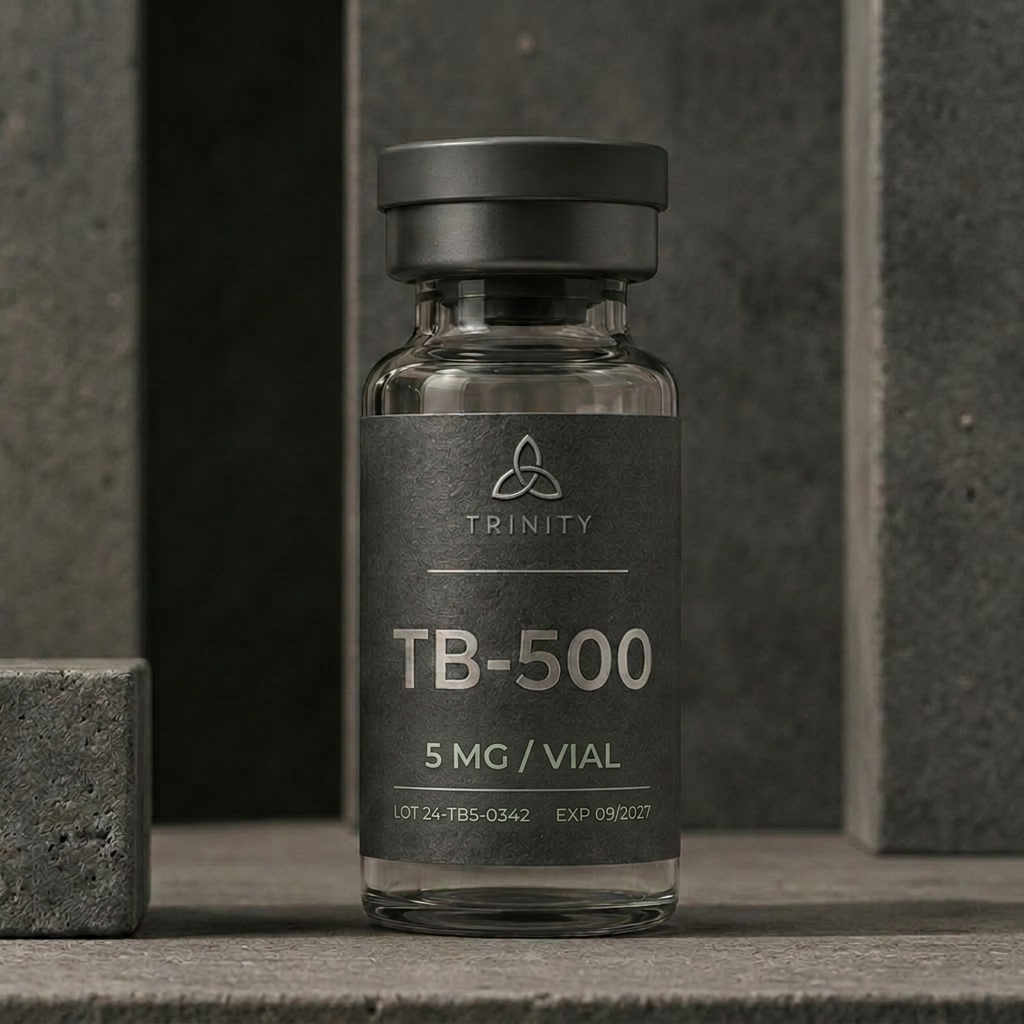
TB-500
Synthetic Thymosin Beta-4 fragment for regeneration studies.
COA AvailableAvailable in 5mg · 10mg
Third-party verified
ISO 17025 accredited lab — Batch TR-KPV-2026-001
HPLC Purity
99.4%
Molecular Weight
✓ Verified
Endotoxin (LAL)
<0.5 EU/mg
Heavy Metals (ICP-MS)
✓ Pass
KPV — frequently asked
Does KPV cause tanning like melanotan peptides?
No. KPV lacks the α-MSH region responsible for melanocortin receptor-driven pigmentation; its activity in published research is intracellular and anti-inflammatory.
Why is it studied for gut research?
KPV is taken up by intestinal epithelial cells through the PepT1 transporter, allowing very low local concentrations to suppress NF-κB signalling in colitis models.
How does it differ from BPC-157?
BPC-157 is studied primarily for tissue repair signalling; KPV is studied for direct suppression of inflammatory transcription factors. They are frequently modelled together.
What purity do you guarantee?
≥99% by HPLC, low-endotoxin grade (<0.5 EU/mg), with a batch-matched COA.
How fast does it ship?
Orders placed before 2pm ET ship the same business day from Toronto with tracked Canada-wide delivery, typically arriving in 1–3 business days. Cold-pack packaging is used on every shipment.
What if the purity doesn't match the COA?
Every batch is HPLC and mass-spec verified by an ISO 17025 accredited third-party lab, and the batch-matched COA ships with your order. If an independent test comes back below the stated purity, we replace the order or refund it in full.
Is this legal to purchase in Canada?
Yes — these compounds are sold strictly as in-vitro research chemicals for laboratory use. They are not for human or veterinary use, and it is the purchaser's responsibility to comply with applicable federal and provincial regulations.
Ready to add KPV to your research?
≥99% HPLC-verified, endotoxin and heavy metals tested, batch-matched COA included. Ships same business day from Toronto.
Research Use Only Disclaimer
This product is sold exclusively for in-vitro research and laboratory use only. It is NOT intended for human or veterinary use, consumption, injection, or any clinical application. This product has not been evaluated by Health Canada, the FDA, or any other regulatory authority for safety or efficacy in humans or animals. Trinity makes no medical claims regarding this compound. Researchers must comply with all applicable federal, provincial/state, and local laws regarding the purchase, storage, and use of research compounds. By purchasing this product, you confirm you are a qualified researcher or licensed professional acting within the bounds of applicable law.